
Carbon Steel vs Steel: Identify the Grade Before Welding
Carbon steel is a type of steel, not a competing material. Learn what mild, alloy and stainless labels tell you—and what to verify before welding.
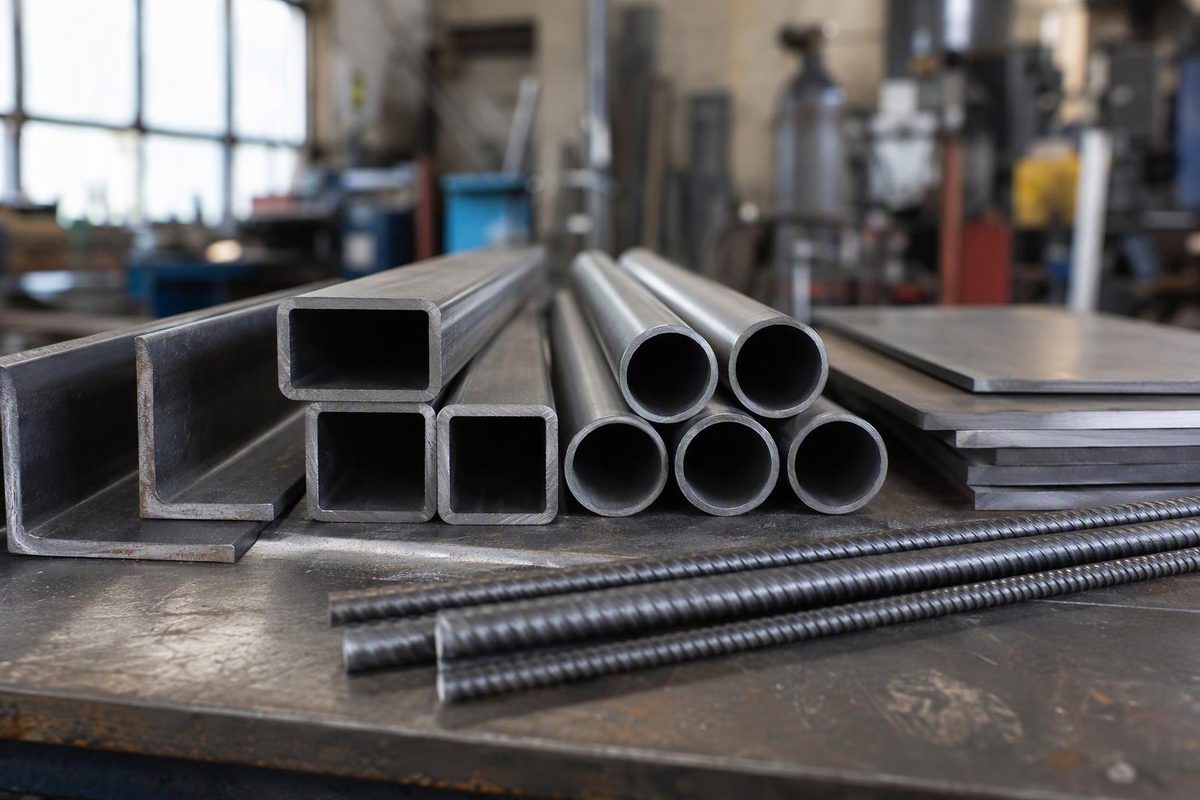
Carbon steel is steel. “Steel” is the broad material family; “carbon steel” identifies a group within it. Comparing carbon steel with unspecified steel is not enough to decide strength, corrosion resistance, filler metal or welding procedure.
Steelmakers combine iron, carbon and other elements, then use processing to obtain different properties. Carbon steels contain primarily iron and carbon, while alloy steels have additional controlled alloying elements used to develop particular properties. Carbon steel is not necessarily high-carbon steel. (World Steel Association, Ryerson)
For fabrication, the useful question is: Which steel grade, in which condition, are you joining?
What the labels actually tell you
| Label | What it means | Welding consequence |
|---|---|---|
| Steel | Broad family, not a specific grade | Insufficient information to select a procedure |
| Carbon steel | Includes low-, medium- and high-carbon steels | Weldability varies with composition and joint conditions |
| Mild steel | Common shop term for low-carbon steel | Usually readily weldable, but not automatically exempt from preheat |
| Low-alloy steel | Contains controlled additions such as chromium, nickel or molybdenum | May need different filler and tighter thermal controls |
| Stainless steel | Steel containing at least 10.5% chromium | Grade-specific filler, heat control and corrosion requirements matter |
The carbon-steel subdivisions are described in Welding Theory Fundamentals; TWI explains the differing welding precautions for steel groups. Stainless steel’s chromium forms the protective passive film responsible for its corrosion resistance. (Cedinox)
Two distinctions prevent common mistakes:
- Mild steel is a subset of carbon steel. A carbon-steel label alone does not establish the easy weldability associated with mild steel.
- Hot-rolled and cold-rolled describe processing, not separate chemical families. Those words do not replace a grade designation. Processing and heat treatment also affect the properties that welding can change in the heat-affected zone. (Welding Theory Fundamentals)
If your intended comparison is with another family, see carbon steel vs stainless steel or alloy steel vs carbon steel.
Why carbon content changes the welding risk
The weld pool is not the only area to consider. The heat-affected zone (HAZ) is adjacent base metal that does not melt but experiences a welding thermal cycle.
In carbon and low-alloy steels, higher carbon and alloy content generally increase hardenability. Depending on the cooling rate, that can produce a hard, crack-sensitive HAZ. Hydrogen cracking requires three things together: hydrogen, a susceptible hard structure and tensile stress. Material thickness, heat input and joint restraint therefore matter alongside chemistry. (TWI’s steel weldability guidance, hydrogen-cracking guidance)
Preheat slows cooling, allows hydrogen to diffuse away and generally reduces HAZ hardness. It is not a universal temperature attached to the words “carbon steel.” Thin mild-steel work is often welded without preheat using suitable low-hydrogen processes or electrodes; thick or highly restrained mild-steel joints may still require it. Higher-carbon and alloyed steels need more careful procedure selection. (TWI’s preheat guidance)
Nor is “more heat” always safer. Quenched-and-tempered and thermomechanically processed steels can have heat-input or temperature limits to protect their properties. Follow the applicable procedure rather than increasing amperage to compensate for uncertain material. (TWI’s steel weldability guidance)
What to verify before choosing filler or settings
Use this sequence when a drawing, stock rack or repair request says only “steel”:
- Identify both base metals. Check the drawing, purchase specification, markings and mill documentation. If identity remains uncertain, obtain appropriate material analysis before critical work. TWI specifically recommends composition information from a mill sheet or dedicated chemical analysis for low-alloy steels. (TWI)
- Confirm condition and service. Record thickness, heat treatment, joint geometry and restraint, plus required strength, toughness and corrosion performance.
- Select the applicable welding procedure. Verify filler classification, shielding gas where applicable, preheat, interpass limits, heat input and any post-weld heat treatment. A familiar carbon-steel wire or rod is not automatically suitable for every steel.
- Prepare and inspect accordingly. Remove joint contaminants and handle consumables as specified. Hydrogen cracks can develop hours after welding and may be subsurface; a clean-looking bead does not establish acceptance. Follow the project’s inspection method and timing. (TWI)
For routine fabrication, confirmed low-carbon steel gives you a useful starting point. An unidentified piece described only as “steel” does not.